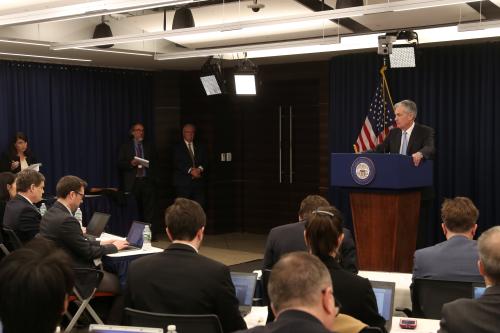
The following testimony was given at a hearing of the Senate Committee on Homeland Security and Governmental Affairs on December 11, 2025.
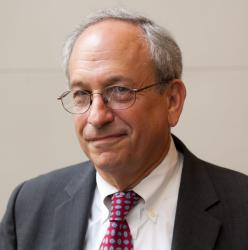
Donald Kohn previously testified on this subject in 2004, as a member of the Board of Governors of the Federal Reserve, in favor of allowing the Federal Reserve to pay interest on the deposits that banks held at the Federal Reserve. He argued then that not paying interest on these deposits was, in effect, a tax on banks, forcing them to make interest-free loans to the government.
Congress ultimately agreed that the tax induced unnecessarily wasteful and harmful actions, and so it authorized the payment of interest on reserves in the Regulatory Relief Act of 2006; this legislation also included additional flexibility for the Board of Governors to reduce reserve requirements. The authorization to pay interest was scheduled to take effect in 2011, but Congress sped up its implementation to 2008 to facilitate the Federal Reserve’s actions to stabilize financial markets and the economy during and after the Global Financial Crisis of 2008-09.
According to Kohn, the payment of interest on reserve balances (IORB) serves several critical public policy purposes: It enables the Federal Reserve to meet its Congressional monetary policy mandates for stable prices and maximum employment in some circumstances, and it enhances financial stability. If Congress wishes to raise additional taxes from banks, it should do so directly, not by forcing them to make interest-free loans to the government.
In his testimony, he explains the positive benefits of IORB and address some of the criticisms that have been leveled against it.
Author
Related Content

The Brookings Institution is committed to quality, independence, and impact.
We are supported by a diverse array of funders. In line with our values and policies, each Brookings publication represents the sole views of its author(s).
Commentary
TestimonyDonald Kohn’s testimony on interest on bank reserves held at the Federal Reserve
December 11, 2025