Emerging Markets & Developing Economies
The India Policy Forum 2004
Book
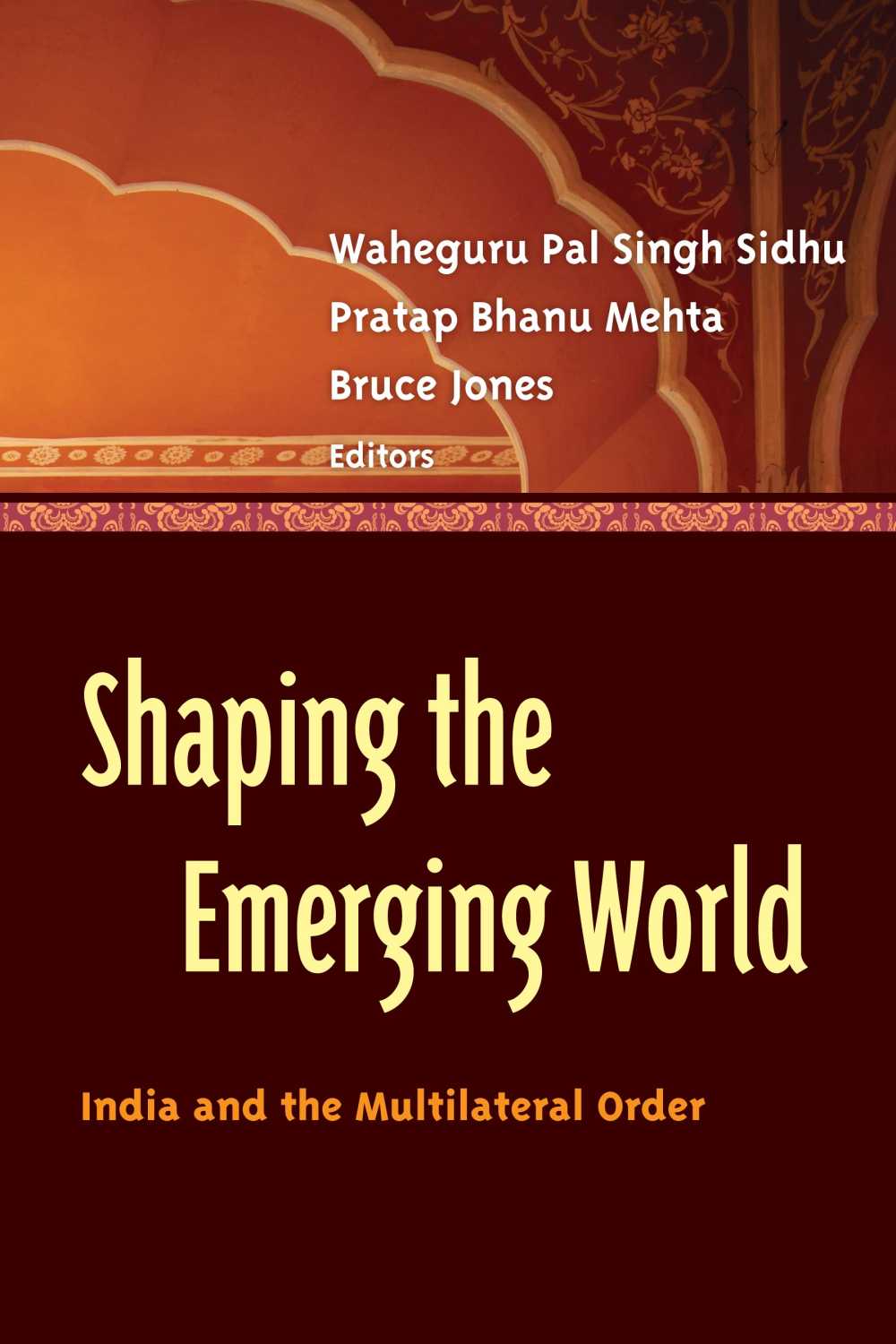
India faces a defining period. Its status as a global power is not only recognized but increasingly institutionalized, even as geopolitical shifts create both opportunities and challenges. With critical interests...
India faces a defining period. Its status as a global power is not only recognized but increasingly institutionalized, even as geopolitical shifts create both opportunities and challenges. With critical interests in almost every multilateral regime and vital stakes in emerging ones, India has no choice but to influence the evolving multilateral order. If India seeks to affect the multilateral order, how will it do so? In the past, it had little choice but to be content with rule taking—adhering to existing international norms and institutions. Will it now focus on rule breaking—challenging the present order primarily for effect and seeking greater accommodation in existing institutions? Or will it focus on rule shaping—contributing in partnership with others to shape emerging norms and regimes, particularly on energy, food, climate, oceans, and cyber security? And how do India’s troubled neighborhood, complex domestic politics, and limited capacity inhibit its rule-shaping ability?
Despite limitations, India increasingly has the ideas, people, and tools to shape the global order—in the words of Jawaharlal Nehru, “not wholly or in full measure, but very substantially.” Will India emerge as one of the shapers of the emerging international order? This volume seeks to answer that question.
Related Books

Authors
Edited by
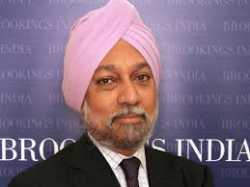
Waheguru Pal Singh Sidhu is a senior fellow at New York University's Center on International Cooperation and a regular columnist on international strategic issues for the Mint newspaper in India.
Pratap Bhanu Mehta is president of the Centre for Policy Research in New Delhi.
Bruce Jones is a senior fellow and director of the Managing Global Order project under the Foreign Policy program at the Brookings Institution.