Energy Security and Climate Initiative
[On the effects of the attack on a Saudi oil facility on oil markets] The Saudis are still the indispensable country in oil markets. They’re still the world’s largest exporter. Even though the US produces a lot of oil, we’re still connected to global markets. Things that happen in the middle east or in other places can still affect us even though we have a lot of oil here. A disruption in Saudi is still really important to global oil prices. And prices that U.S. consumers pay are still based on global oil prices. We don’t get any sort of special deal.
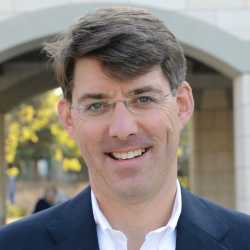
Samantha Gross speaks on TVE Television of Spain on the strategic oil reserve and U.S. oil production on September 18, 2019.
[On climate change and divestment] Divesting from all fossil fuel companies turns the climate problem into something that seems like a simple problem, and in fact it’s the opposite.
[On political action on climate change] Well, the single most important thing they can do is send a clear signal that companies and individuals need to reduce their emissions. And right now that's signals not credible. And so frankly, most people are just doing what they, what they did before and continuing to emit. In fact, emissions are going up almost 3% of the year.
[On climate change and global action] Well, ultimately this is something that requires all of industry, all people everywhere in the world to take action. And that's one of the reasons why we haven't made more progress so far. So really hard problem of, of collective action building international agreements, getting countries to line up.
[On climate action] Well, individuals can take some action. There are roles for protests, a market actions and things like that, but it's very hard to see how this problem is going to get solved without governments acting. And it looks here in the United States. The lack of action by the federal government has led to states to do a lot more. And so I think you've see all around the world, all this kind of clutching and gearing and efforts to figure out how we would compensate for the fact that many national governments aren't doing enough.
[On the effects of the drone strike in Saudi Arabia on oil markets] What really mattered is the price people pay at the pump. And because oil is priced on a global market, just because it's produced here doesn't mean we get some sort of special deal when there's an interruption somewhere.
[On the ability of those with greater economic resources to adapt to climate impacts] I think some people who live in that environment [coastal California] are willing to spend huge resources to protect themselves with bigger fire breaks, with different kinds of materials, with private fire services, which are now emerging including connected to the insurance industry. And so if you're willing to pay for it, I think people could actually last a long time out in that environment.