New York Times August 28, 2026
We did a lot of damage to Iran, but they have come out stronger than before.
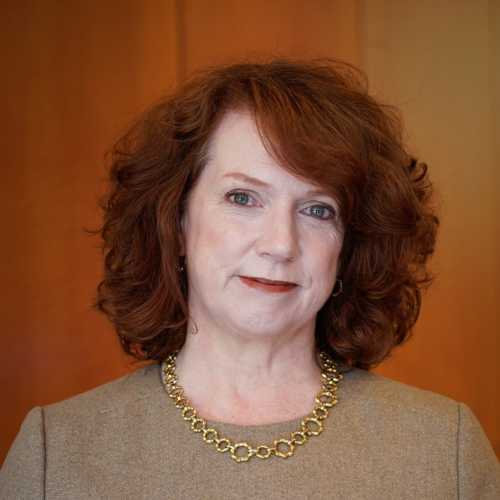
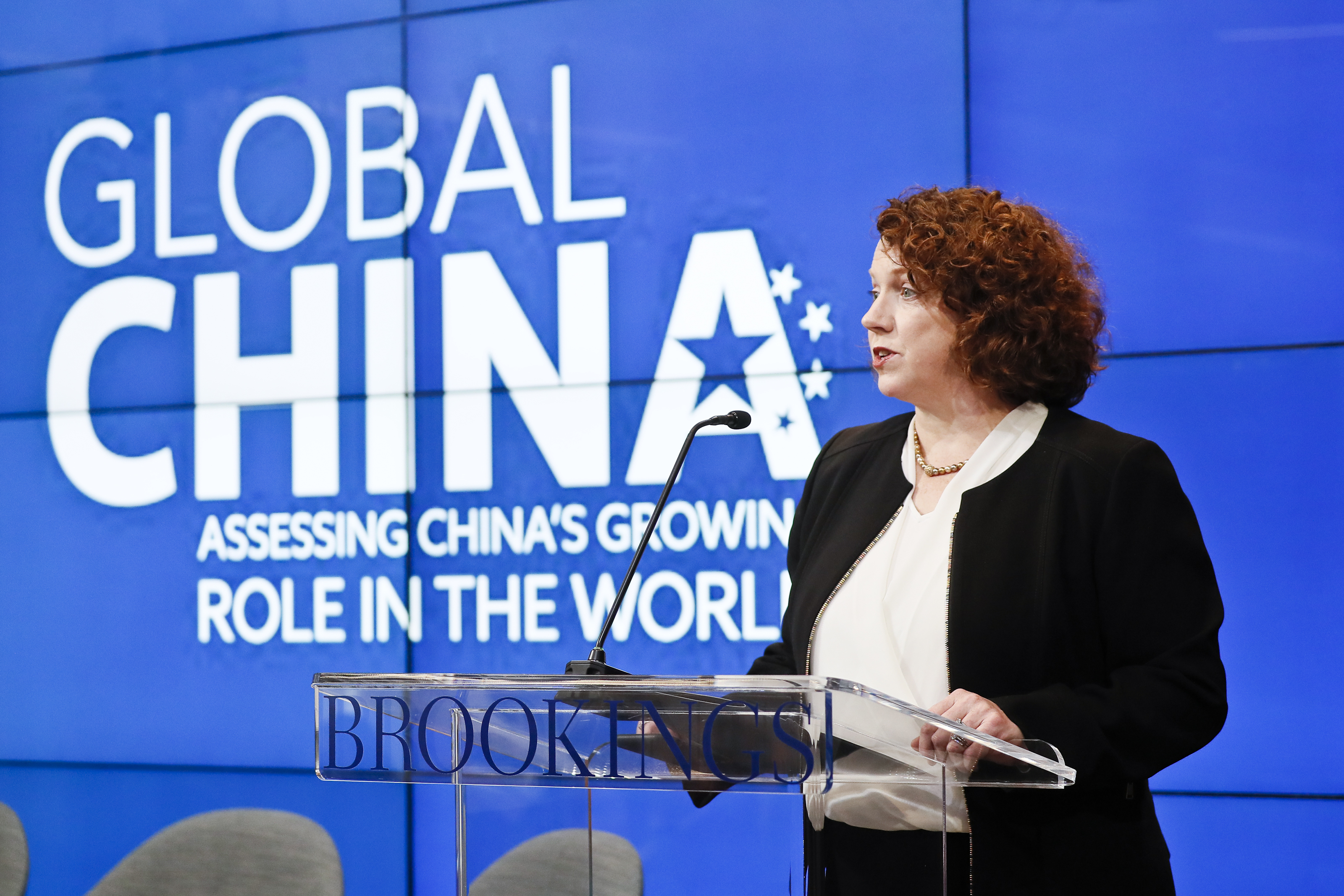
Suzanne Maloney is the vice president and director of the Foreign Policy program at the Brookings Institution, where her research focuses on Iran and Persian Gulf energy. Prior to being named vice president and director, she served as the deputy director of Foreign Policy for five years. At Brookings, she is a leading voice on U.S. policy toward Iran and the broader Middle East, testifying before Congress, briefing policymakers, and engaging with government, non-profit organizations and corporations. Maloney is a frequent commentator in national and international media.
Maloney has advised both Democratic and Republican administrations on Iran policy, including as an external advisor to senior State Department officials during the Obama administration and as a member of Secretary of State Condoleezza Rice’s Policy Planning staff. Earlier in her career, she served as Middle East advisor for ExxonMobil Corporation, where she was responsible for government relations related to all corporate activities in the region.
She has authored or edited three books on Iran: “The Iranian Revolution at 40” (Brookings Institution Press, 2020), “Iran’s Political Economy since the Revolution” (Cambridge University Press, 2015), and “Iran’s Long Reach” (United States Institute of Peace, 2008). Maloney has also published numerous book chapters and articles in a variety of academic and policy journals as well as news media such as the Washington Post, the New York Times, the Wall Street Journal, and Foreign Affairs. In 2004, she directed and authored the Council on Foreign Relations Task Force on US policy toward Iran, chaired by former National Security Advisor Zbigniew Brzezinski and Secretary of Defense Robert Gates.
Maloney received a doctoral degree from the Fletcher School of Law and Diplomacy at Tufts University and studied in Tehran as part of the first academic exchanges between the United States and Iran since the 1979 revolution.
We did a lot of damage to Iran, but they have come out stronger than before.
Like Iraq, this is a predicament of our own making and one that should have been anticipated and that could have been mitigated with better informed planning.
Suzanne Maloney appeared on NPR’s Morning Edition to discuss Trump reversing course on plans for a large-scale attack against Iran.
This deal is a tangible confirmation of the erosion of trust and confidence in Washington as a result of the Iran war.
Suzanne Maloney joined NPR’s “All Things Considered” to discuss the increase in hostilities in the war with Iran.
Suzanne Maloney joined the Rachman Review podcast to discuss what Iran’s leaders want and how long they could hold out for a winning settlement.
Suzanne Maloney joined CNN with Christiane Amanpour to discuss the ceasefire in the U.S.-Israel war with Iran.
Suzanne Maloney appeared on “The Ezra Klein Show” to explain why Iran believes it has the upper hand in the war.
Energy markets are inherently global, and there is no possibility of insulating the U.S. from the economic damage that is already occurring and will become exponentially worse if the..."
Suzanne Maloney spoke on MS NOW about Iran’s strikes on the Strait of Hormuz and Joe Kent’s resignation from the National Counterterrorism Center.