Sections

Through expert discussions and analysis, this project examines the specific trade-offs surrounding Chinese investment in U.S. clean energy.
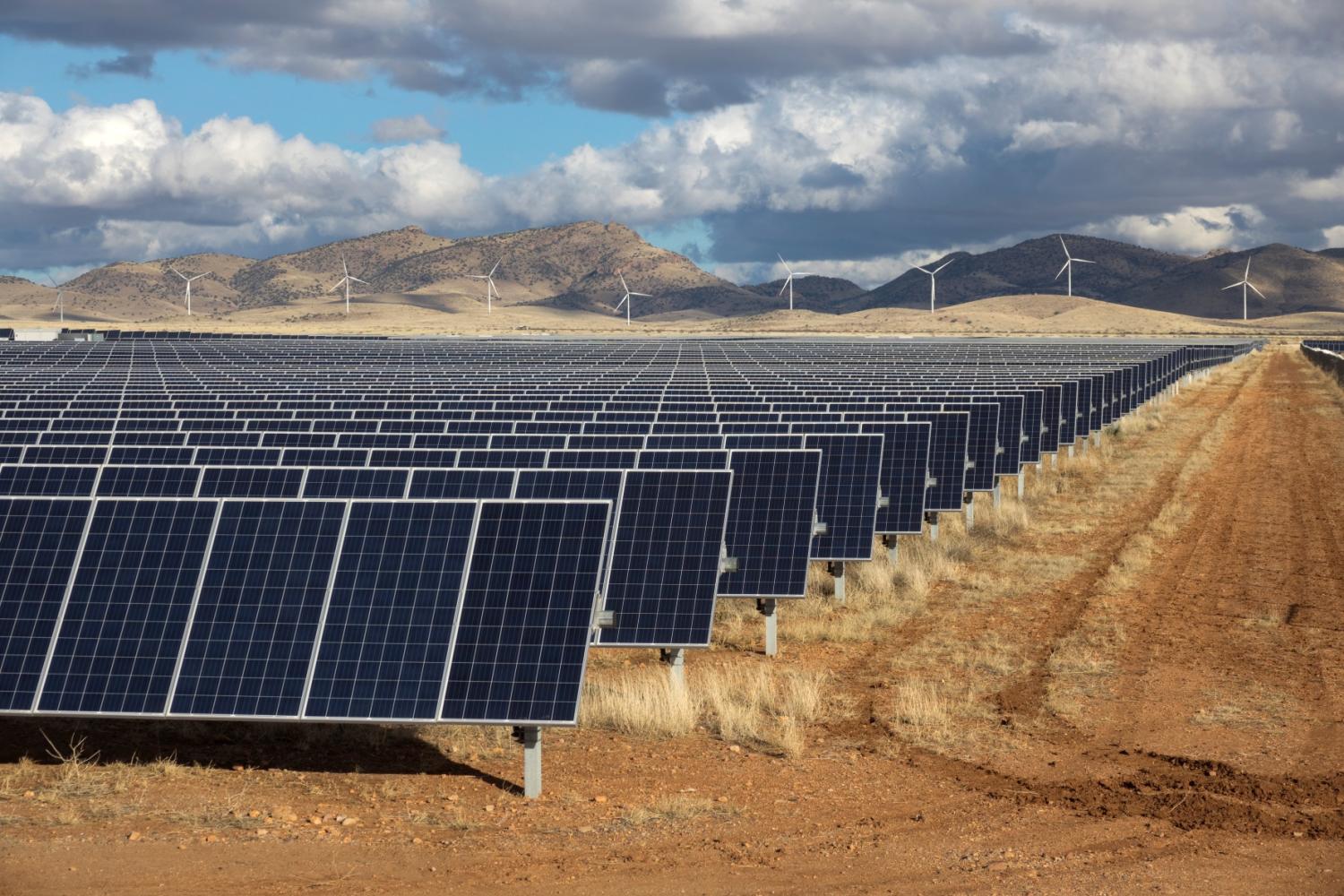
Outside the town of Wilcox near the Winchester Mountains, 450 feet tall wind turbines and fields of solar panels crank out electricity for the city Tucson at the Red Horse 2 Wind and Solar Farm in Southern Arizona.
Outside the town of Wilcox near the Winchester Mountains, 450 feet tall wind turbines and fields of solar panels crank out electricity for the city Tucson at the Red Horse 2 Wind and Solar Farm in Southern Arizona. (milehightraveler via Getty Images)

As the United States races to scale its clean energy sectors while China leads in many of these same fields, the question of accepting Chinese investment into U.S. clean energy sectors is increasingly difficult to ignore. Yet debates on the topic tend toward extremes: either welcoming investment to accelerate deployment or restricting it broadly on national security grounds. This project moves beyond those narratives by examining the specific trade-offs surrounding Chinese investment in U.S. clean energy. Through expert discussions and analysis, it aims to clarify what is at stake, where meaningful policy red lines could be drawn, and what tools could help the United States balance its economic, climate, and security priorities.
Setting the scene

Does Chinese investment in US clean energy sectors help or hurt America?

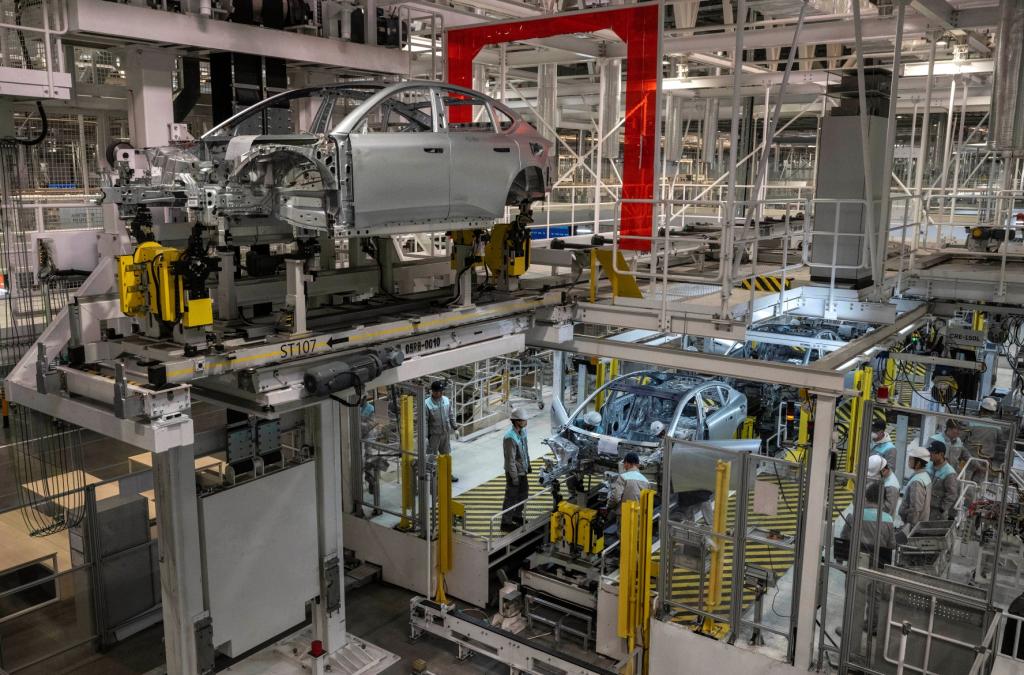
Workers from Chinese electric vehicle (EV) company NIO work on an automated production line at the companys manufacturing hub on January 17, 2025 in Hefei, China.
Workers from Chinese electric vehicle (EV) company NIO work on an automated production line at the companys manufacturing hub on January 17, 2025 in Hefei, China. (Kevin Frayer/Getty Images)

Mary Gallagher and Joyce Yang analyze the growing tension between the urgency of scaling U.S. clean energy infrastructure and the national security risks associated with Chinese investment and supply chain dominance.
Read more

How should we weigh the urgency of clean energy deployment against the risks of Chinese participation in U.S. supply chains?

Chinese investment and the race to build America's clean energy future

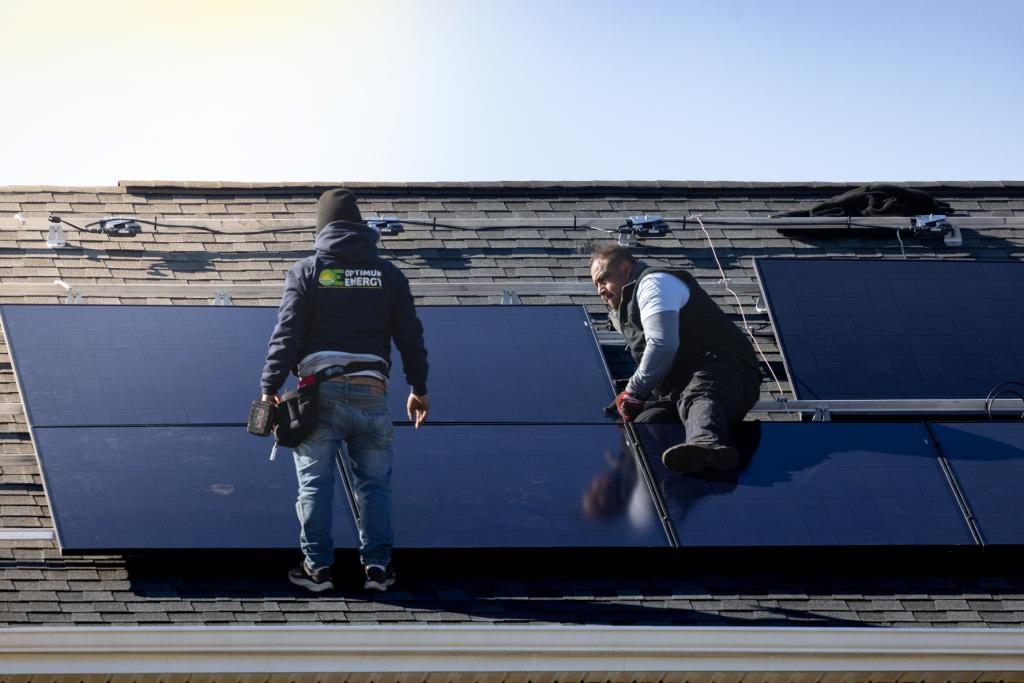
A team of solar panel installers work to install a new solar panel array before the Federal Tax Credit Expires.
A team of solar panel installers work to install a new solar panel array before the Federal Tax Credit Expires. (Greggory DiSalvo via Getty Images)

Vanessa Sciarra, Ilaria Mazzocco, Samantha Gross, and Kyle Chan take stock of where the United States stands across solar, wind, and batteries, and how dependent American clean energy is on Chinese inputs, capital, and technology.
Coming soon.

Where could the United States most strategically place its guardrails?

Defining the risks of Chinese investment in US clean energy

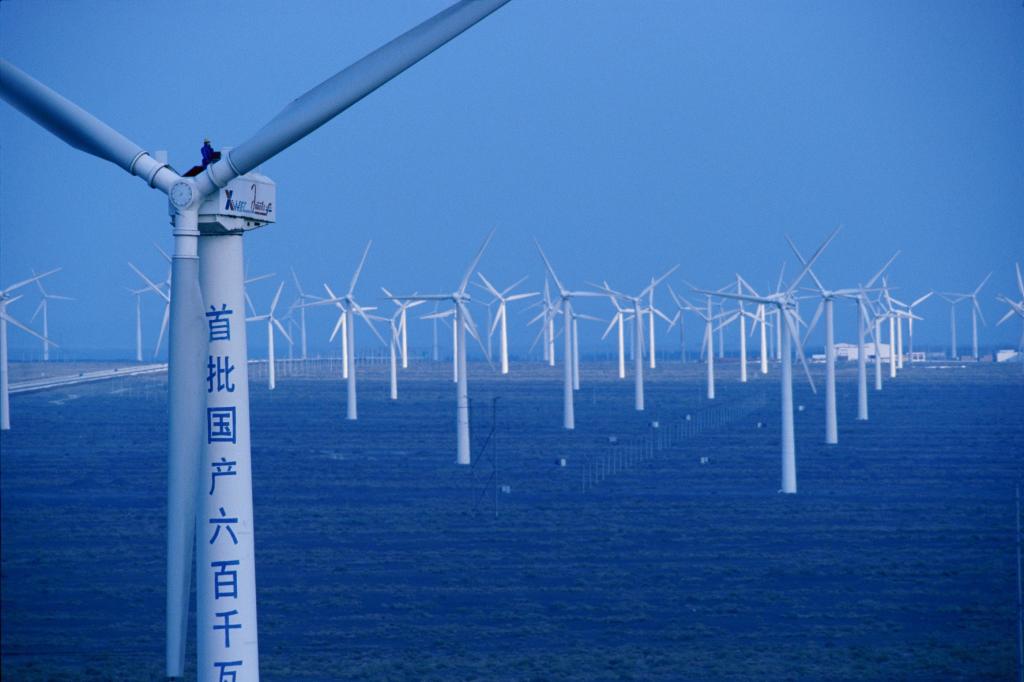
At the Dabancheng wind farm, wind energy contributes a bit to China's energy needs, but burning fossil fuels is still China's largest energy source.
At the Dabancheng wind farm, wind energy contributes a bit to China’s energy needs, but burning fossil fuels is still China’s largest energy source. (Bob Sacha via Getty Images)

Joanna Lewis, Josh Cartin, Kyle Chan, and Mary Gallagher discuss where meaningful red lines should be drawn around Chinese investment in U.S. clean energy sectors, and which risks may be manageable with the right guardrails in place.

Coming soon.
What would a more effective policy playbook look like?

Chinese investment in US clean energy: Policy choices and practical constraints

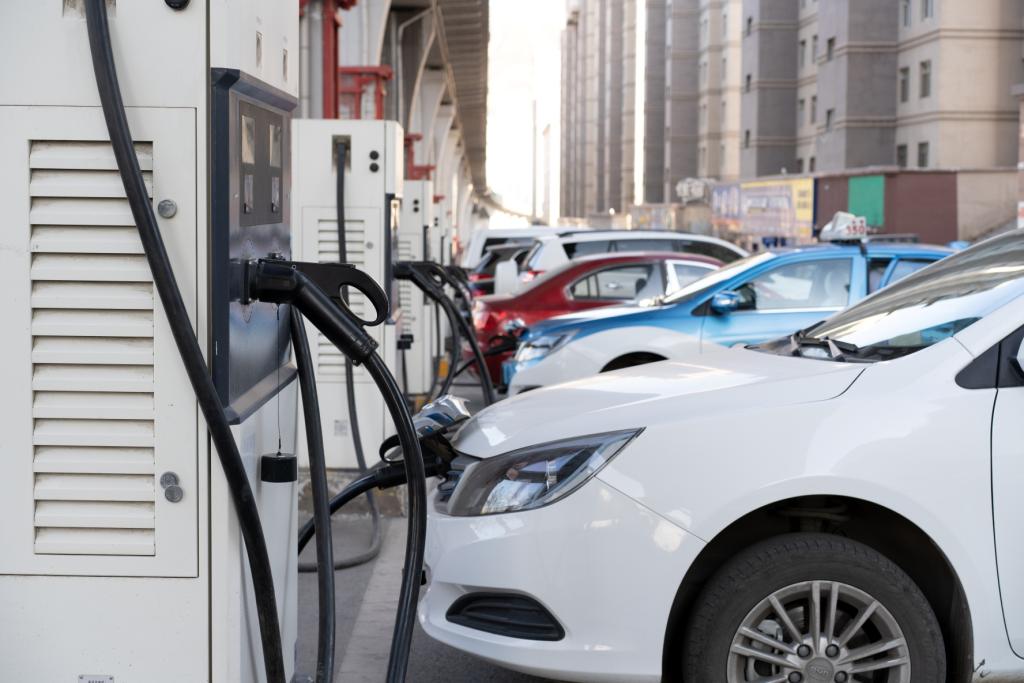
Some electric vehicles are charging at the urban public charging station in Xining City.
Some electric vehicles are charging at the urban public charging station in Xining City. (YoungNH via Getty Images)

Michael Dunne, Michael Davidson, Kate Logan, and Ryan Hass explore how the current policy environment is shaping real-world decisions as well as which policy levers the U.S. could pull to manage Chinese investment in clean energy sectors. 

Coming soon.