Centennial Scholar Initiative
“The 21st century has revalued these small geographies. That’s what the 21st century demands,” Katz said, noting that these days, “[w]e aren’t innovating in isolated business parks” in the suburbs.
"Cities must solve their own problems with the resources at hand - local leaders, capital and assets, anchor institutions and brainpower."
Mayors must first recognize that we are in the midst of a paradigmatic shift in urban governance and problem solving that is catching up to an established fact on the ground: Cities are networks of public, private, and civic institutions that power the economy and shape critical aspects of urban life. This “new localism” is pragmatic and solution-oriented, and by design includes exemplary leadership across sectors and segments of society.
“I think the leadership of mayors is critically important,” said Reville. “I’m a believer in what Bruce Katz from Brookings calls and others call, the 'new localism.'” New localism dictates that in order to enact real change, the country is going to need to look toward influential urban and regional policies. Only then will the U.S. actually see a difference made in education, inequality, climate change and other essential issues.
Erie has long tarried with the hope that leaders would “bring jobs” to the area. Katz suggested Erie’s regeneration, after decades of devastating industrial job losses, must start locally with the creation of new businesses that grow until Erie becomes the kind of place big companies come to — not because they are lured by big government incentives — but because they have to be here in order to compete.
POSTPONED — ‘The New Localism: How cities can thrive in the age of populism’
Katz believes cities have a unique ability to galvanize action inside and outside of government at the grass roots level. In the absence of federal or state leadership on education, “new localism” is the most promising path forward.
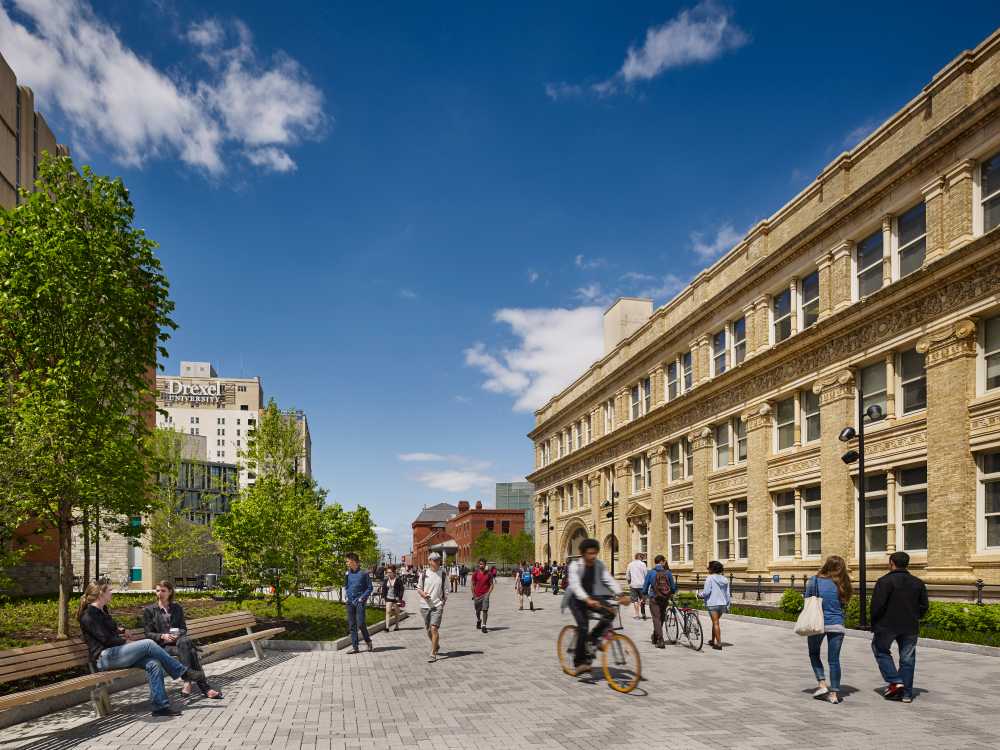
Three years later, Mr. Katz said he was “hard-pressed to come up with a city that’s not thinking about how either the hubs around the universities or these very distinctive parts of the city, usually around waterfronts, where there’s legacy from older industrial space can be converted to other purposes.”
“It’s absolutely critical that you’ve got a bunch of major anchor institutions, companies and universities and foundations coming behind this,” Katz said. “There’s the potential to regenerate the downtown.”