This report is part of The Economic Indicators Initiative, a think tank collaborative dedicated to producing consensus‑building research on improving key U.S. economic indicators.
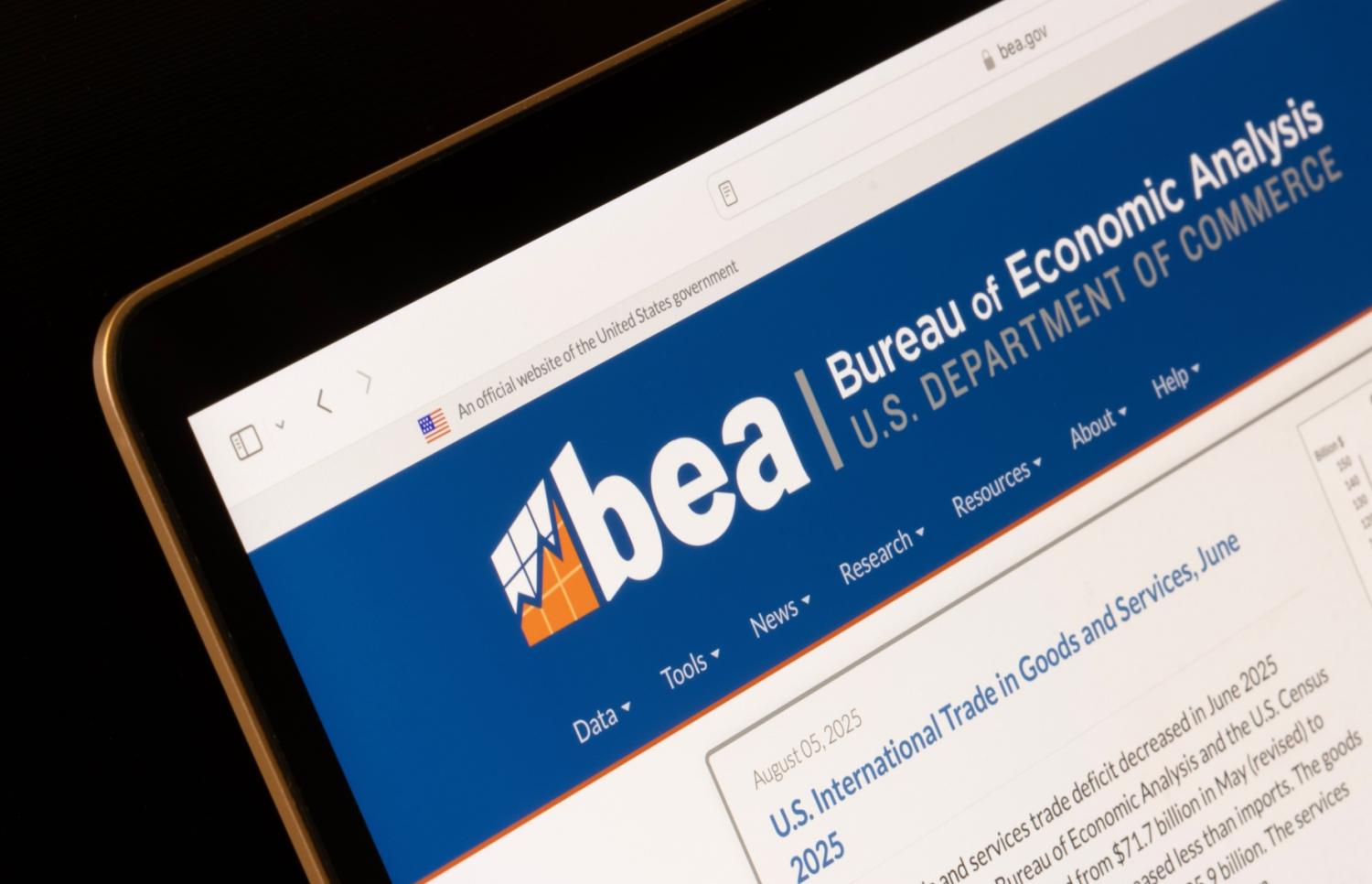
Since the founding of the country, the nation’s economic statistical system has produced timely, accurate, and relevant statistics that are used by policymakers and the public to make critical decisions. However, in recent years, the nation’s economic statistical agencies have been increasingly threatened by political and technical challenges. Having dealt with continually falling budgets, staff shortages, and increasing pressures to modernize their statistical infrastructure, these agencies are now experiencing a period of unprecedented staff reductions, budget cuts, and criticisms of their statistical credibility. This social and political environment has put federal statistical agencies into a state of crisis, furthering distrust of government statistics among the American people and reducing the availability of statistics on various aspects of the nation’s economy, people, and well-being.
The specific threats to the Federal Statistical System (FSS) can be placed into two broad categories. First, some threats are internal within the FSS, including declining survey response rates, changing technology, and the use of blended data. Second, other threats arise from external factors or political structures, including declining public trust, political interference, falling agency budgets, and staffing limits.
This paper provides an overview of internal and external threats and suggests a key mechanism for how agencies can survive in this challenging climate: keeping the staff motivated. After reviewing the structure of the FSS and headline economic indicators (or Principal Federal Economic Indicators), the paper focuses on the internal threats of falling response rates and difficulties in innovation and the external threats of decreasing budgets, staff, trust, and increasing political interference. This analysis shows that falling response rates are a concern if they bias the statistics, demonstrates the challenges faced by agencies in modernizing their statistics, highlights the recent reductions in staff, and discusses the implications of decreasing financial resources over the past 15 years. The conclusion examines whether attempts to limit the independence of the agencies could harm the statistics.
Author

The Brookings Institution is committed to quality, independence, and impact.
We are supported by a diverse array of funders. In line with our values and policies, each Brookings publication represents the sole views of its author(s).