OBJECTIVES
Research consistently demonstrates that systemic racism and discrimination—embedded in institutions, policies, and social norms—has historically oppressed marginalized communities and perpetuated disparities in education, economic opportunity, health care, and in the criminal justice system. As the country celebrates its 250th anniversary this year, addressing these inequities is more essential than ever for building a thriving democracy. Uprooted emphasizes this work by:
- Highlighting innovative policies, community-led solutions, and narratives that promote racial equity and dismantle barriers to civic engagement.
- Catalyzing meaningful action by encouraging collaboration across political and social divides, fostering innovation in public policy, and inspiring citizens to participate actively in shaping a healthy, inclusive democracy.
- Preserving the legacy of uprooted communities who helped to build American society and culture and offer policy options to promote racial equity, justice, and community.
- Centering the causes of social inequality and offer narratives about historical moments, community leaders, and places throughout the U.S. that promote citizen power and human dignity.
- Strengthening community relationships by showcasing community-driven strategies that build a more equitable, accountable, and resilient democratic society that cultivates genuine opportunities for all Americans to thrive.
DESIGN INSPIRATION
Series title
Our project team decided on using the name, Uprooted: Rediscovering American history, due to the multiple connotations it means to “uproot” and what people can take away from this powerful message. In one light, it can encompass marginalized communities being erased and purposefully removed from history and the struggle of perseverance that follows this upheaval. Alternatively, it can be a positive force in which we combat prejudices, dismantle constraints, and bring forth a renewal of ideals—showcasing that out of disruption something new can flourish.
Logo
The logo design for the Uprooted series is in reference to Civil Rights–era typographic practices, where repetition and visual consistency were used to assert collective identity and political presence. Within this historical framework, typography functions as a form of visual call and response, situating each work within an ongoing narrative of displacement and struggle. The uniform design emphasizes the structural interconnectedness of these experiences rather than presenting them as isolated events.
Imagery
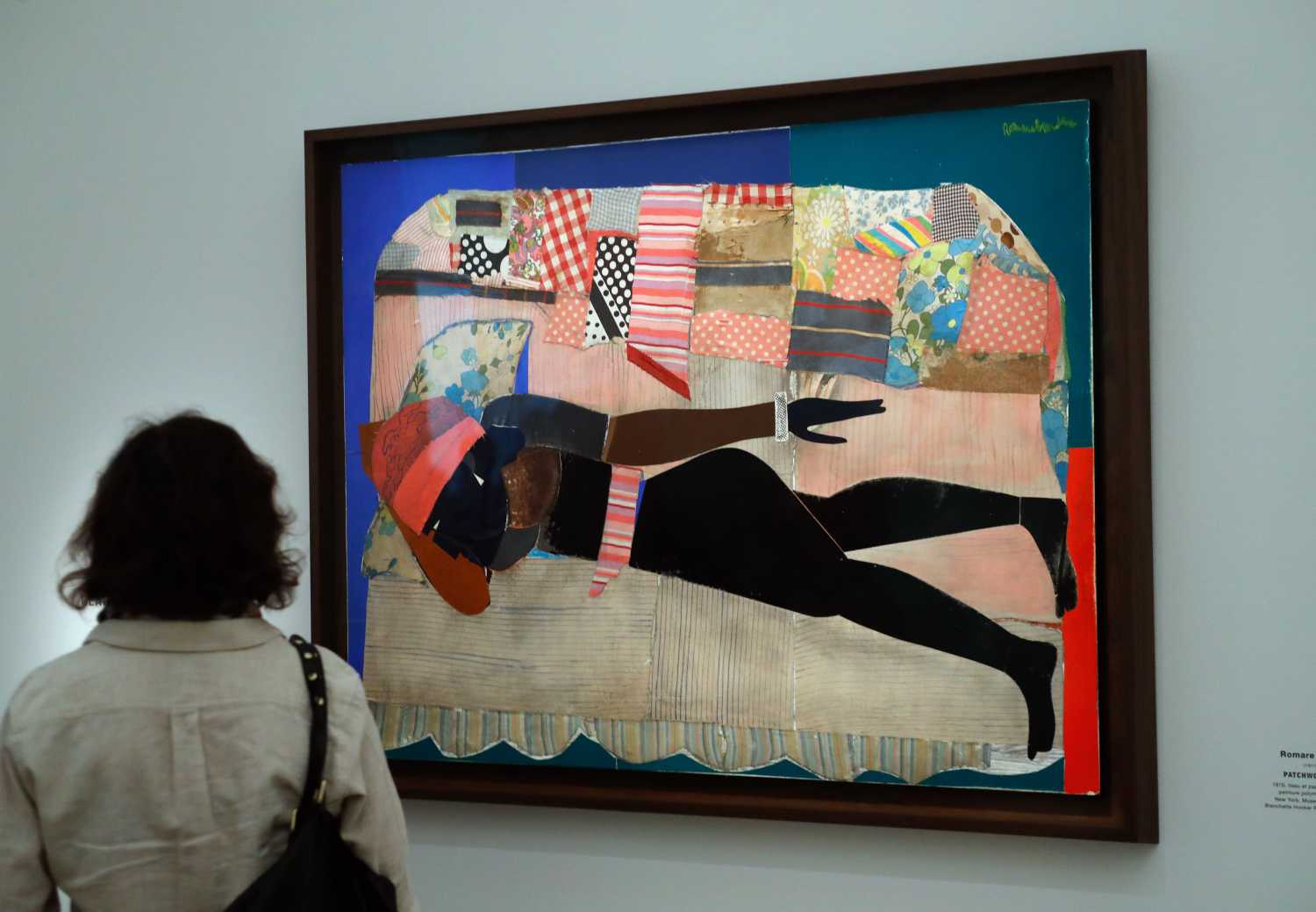
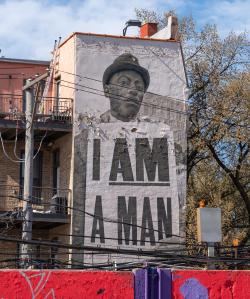
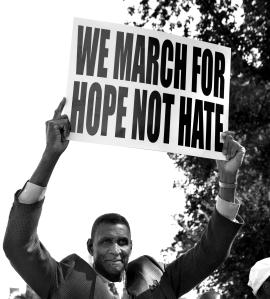
The history, culture, and the experiences of communities that have been racialized and oppressed is incomplete without art. Art is individual and collective action on display. This series will be punctuated with images and collages that reflect the stylings of the modern Civil Rights Movement and artists such as Romare Bearden. Bearden used collages as a narrative of Black life in urban and rural communities to show hardships, joy, resilience, community, faith, and collective action to advance social life. His influence on the art and themes we cover are integrated throughout this series.